
A personal, person-centred space
Music Therapy for Individuals
A supportive space to explore, express and connect through music.
Sometimes it can be difficult to find the right words for how we're feeling. Music can offer another way to communicate, explore emotions and connect with ourselves and others.
We provide person-centred individual music therapy for people who may benefit from a different way of accessing therapeutic support.
Our HCPC-registered music therapists work alongside you to create sessions around your needs, interests and preferences, at a pace that feels comfortable for you.
How can individual music therapy help?
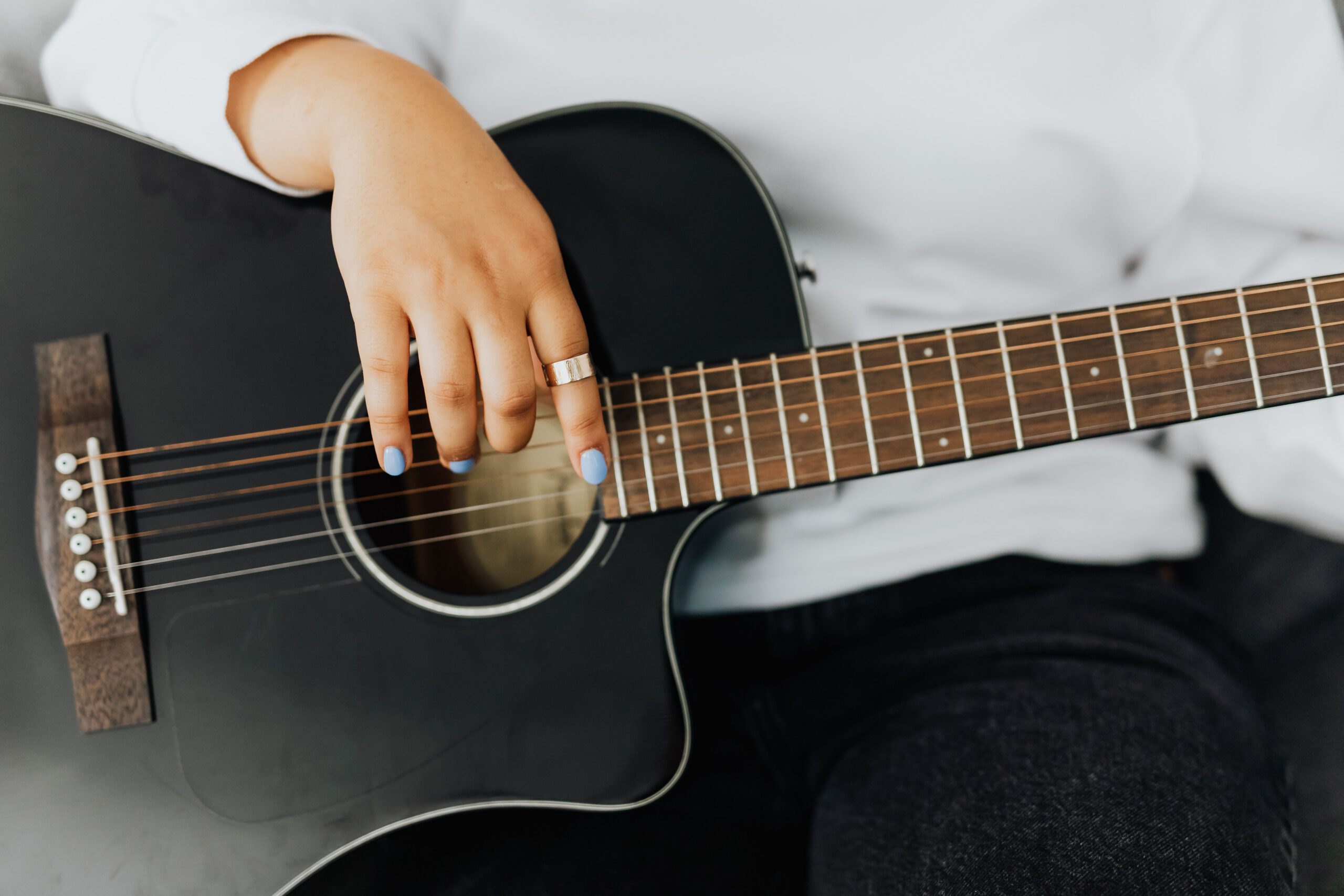
Individual music therapy can provide a safe and supportive space to explore things that may be difficult to express through words alone.
Depending on your individual needs, music therapy may support:
Emotional expression and regulation
Communication
Confidence and self-esteem
Relationships and connection
Stress and emotional wellbeing
Cognitive stimulation
Self-expression and creativity
Engagement and participation
Our work is always tailored to the individual. We don't arrive with a fixed programme or expect you to participate in a particular way.
Instead, we'll spend time getting to know you and work collaboratively to understand what you would like support with.
What happens in individual music therapy?
There is no standard music therapy session.
Your therapist might use instruments, singing, improvisation, songwriting, familiar songs, listening or other musical experiences depending on what feels appropriate for you.
You might make music together, listen to something meaningful, explore memories through a favourite song, or simply use music as a way of connecting.
You are always in control of how you participate. Your therapist will adapt sessions around your comfort, abilities and preferences.

Music therapy without the pressure
Music therapy isn't about being a “good” musician.
There are no wrong notes, no performances and no expectations that you should already know how to play an instrument. Music is simply the medium we use to help create a therapeutic relationship and explore whatever matters to you.
For some people, that might mean making lots of music. For others, it might mean listening, talking or sitting quietly with a familiar song.
We’ll meet you where you are.
Who can individual music therapy support?
Music therapy can be beneficial for people of different ages, abilities and backgrounds, and can be used across a wide range of settings.
We are particularly interested in working with individuals through partnerships with schools, care homes, community organisations and healthcare settings.
If you're considering music therapy for yourself, your child, or someone you support, you don't need to know exactly what you need before getting in touch.
We can have an informal conversation about your circumstances and explore whether music therapy could be a good fit.

A person-centred approach
We believe the therapeutic relationship is central to music therapy. We’ll take time to understand who you are, what matters to you and what you’d like support with. From there, we’ll adapt our approach around you.
Our work is:
01
Person-centred
Your needs and preferences guide our work.
02
Relational
We create a trusting therapeutic relationship where you can feel supported.
03
Inclusive
We aim to make music therapy accessible to people with different needs and abilities.
04
Collaborative
We'll work alongside you and, where appropriate, the people supporting you.
Where does individual music therapy take place?
Haven Music Therapy is a fully mobile music therapy service based in Glasgow.
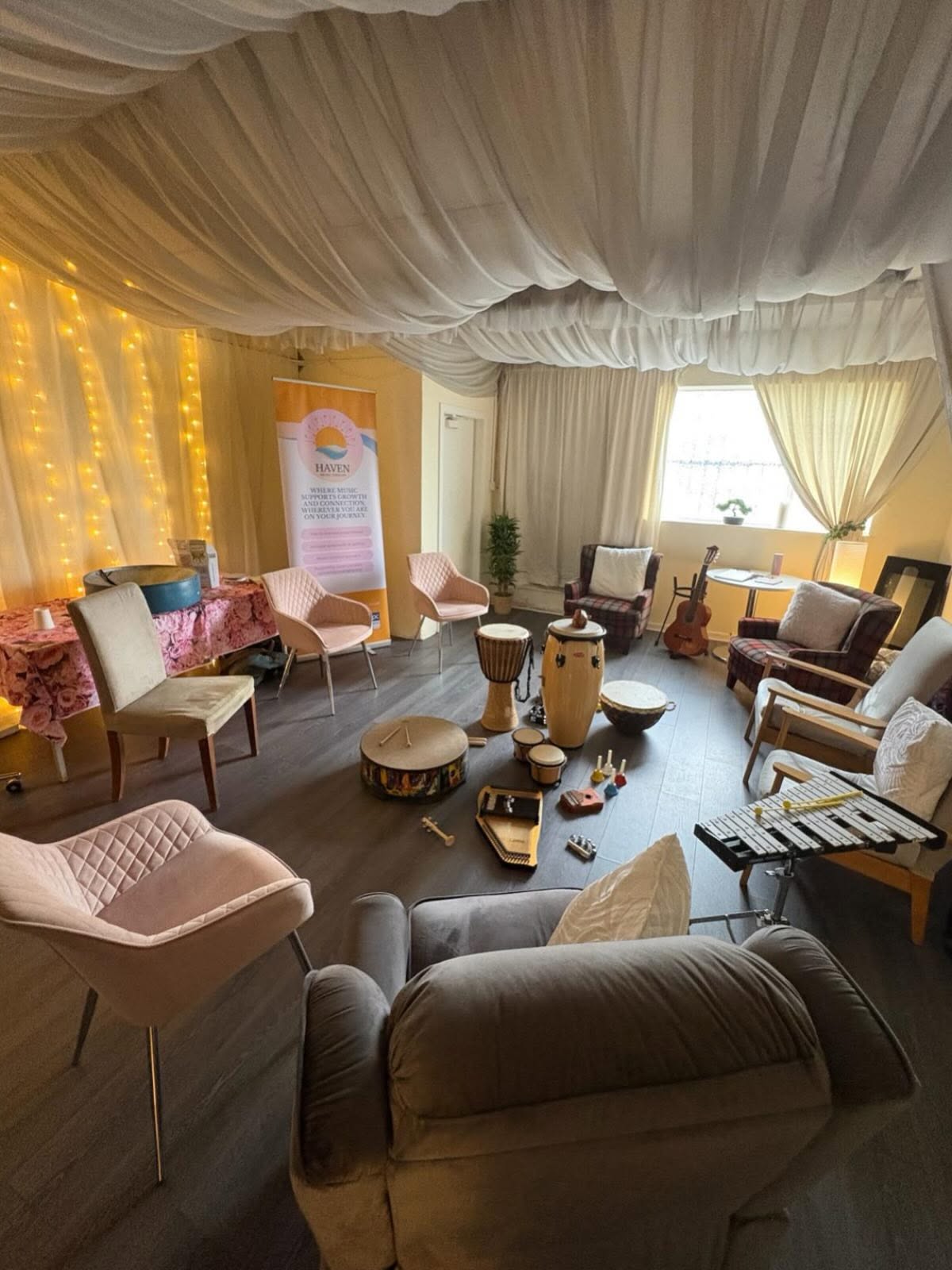
We can work in a range of settings depending on your circumstances, including homes, schools, care homes, community spaces and healthcare environments.
We bring the instruments and resources needed for sessions, so you don't need to have musical equipment available.
We’ll work with you to find an approach and setting that works for your needs.
Thinking about individual music therapy?
You don't have to have everything figured out before you contact us.
If you're wondering whether music therapy could be helpful for you, your child or someone you support, we'd be happy to have an informal conversation.